
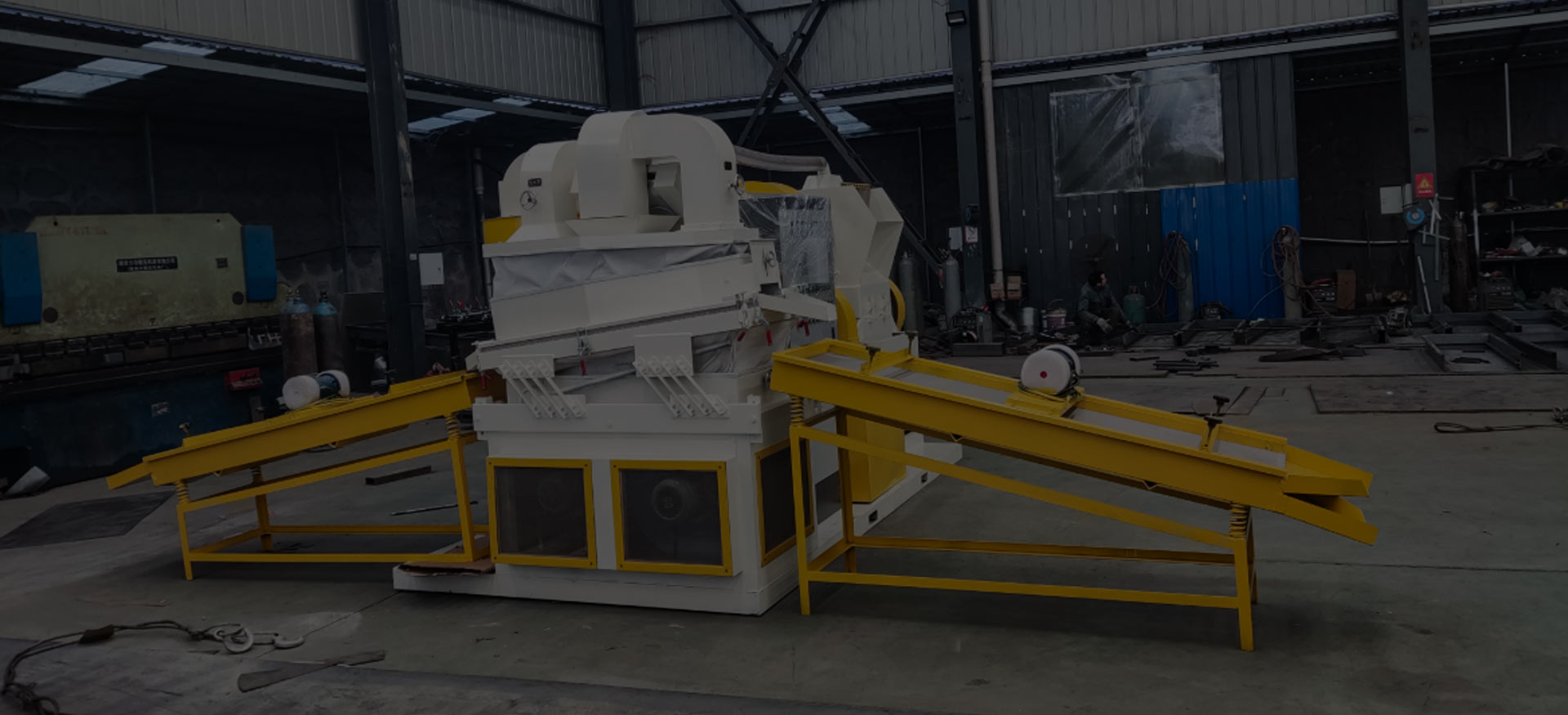
The cable Wire recycling machines are capable of efficiently converting waste wire and cable into reusable copper and plastic pellets. This not only reduces environmental pollution but also facilitates the recycling of resources.
Stop throwing away your scrap cables and wires – buy a cable wire recycling machine to maximise your profits. Call us today at +86 18695875708 or fill out our online form to get started!
Scrap cables and wires contain valuable metals (copper, aluminium) and materials (plastic sheathing, etc.). Once processed by a cable and wire recycling machine, copper and plastic are recovered from the scrap cables and wires. The separated copper can be sold directly to metal processing plants for the manufacture of metal products. The plastic is sold to plastics processing plants for use as an additive in wood products, amongst other applications. This facilitates the recycling of resources.
The cable wire recycling machine is suitable for recycling a wide range of cable types. These include: high-voltage cables, telecommunications cables, low-voltage cables, bare copper wires and many other types of cables and wires.
High-voltage cables: used in high-voltage transmission lines, they typically contain a large quantity of high-quality copper or aluminium conductors.
Low-voltage cables: widely used in urban distribution networks and industrial facilities. They have a high recycling value.
Control cables: used to transmit control signals; although the cross-sectional area of the conductors is small, the volume of recycled material is very large.
Fibre-optic cables: The main material is glass fibre. However, their sheaths and reinforcing elements contain recyclable metals.
Telecommunications cables: These cables have copper cores and contain a large amount of copper conductor. They are an important type of cable for recycling.
Rubber-sheathed cables: Commonly used in industrial equipment and mobile machinery. Contains high-quality copper conductors.
Mining Cables: Commonly used in mining equipment. Contains a large amount of copper and aluminium conductors. Can be reused after recycling.
Domestic cables: BV, BVV, YJV cables, etc. These contain pure copper conductors and have a high recycling value.
Waterproof cables: These contain copper or aluminium conductors. Upon recycling, the metal and plastic can be separated.
Fire-resistant cables: These contain copper conductors and special insulating materials. Upon recycling, the copper can be separated.
It is an essential piece of equipment for the recycling and processing of waste cables and wires. Waste cables and wires undergo multiple processes—including shredding, crushing, air classification and gravity separation—to separate out materials such as copper, aluminium and plastic. This cable and wire recycling machine primarily employs a three-stage process to extract the valuable materials contained within.
First, remove any impurities from the surface of the wires and cables, such as sludge, soil and oil stains. Then, sort them according to their type, material and specifications to facilitate subsequent processing.
The waste cables and wires are first shredded into 2–3 cm strips using a twin-shaft shredder. These shredded pieces are then ground into granules using a grinder, to facilitate subsequent sorting.
The crushed material is conveyed via a vacuum system to the gravity separation and air classification stages. The difference in specific gravity between copper and plastic is utilised to separate the metal from the plastic using an air classifier. The remaining mixed material is then processed using a high-voltage electrostatic separator. Taking advantage of the difference in electrical conductivity between copper and plastic, further separation is achieved using a conventional separator.
The finished materials are collected via the discharge system.
Metal recycling: The separated copper and aluminium can be remelted. They can be used to manufacture new wires, cables or other metal products.
Plastic recycling: The separated plastics can be processed into plastic pellets. These are used to manufacture new plastic products.

The cable wire recycling machine is a piece of machinery used to shred and screen waste electrical cables. It separates the copper from the plastic outer sheath of the waste cables, thereby producing copper granules and plastic.

Copper wire recycling machines are essential equipment for processing and recycling waste wires. After crushing the waste cables and wires, an air classifier separates the copper particles from the plastic sheath. Dust generated during the production proc

The eco-friendly automatic cable wire recycling machine is a piece of equipment designed to process waste electrical wires. It handles various types of cables and wires, including those from household appliances, communication lines and computer cables—al

Large quantities of waste electrical wires and cables are due to be decommissioned and require recycling. This necessitates the use of copper wire sorting machines. In line with environmental protection requirements and to support the nation’s green devel

The copper wire granulator machine, also known as a copper wire recycling machine or scrap wire and cable processing equipment, is primarily used for the recycling and processing of oil-free scrap cables, such as telecommunications cables, automotive wir

The mini copper wire granulator machine is a production line for the dry separation of wires and cables. A key feature of this equipment is its ability to simultaneously crush and separate wires of different sizes without the need for prior sorting.

The cable wire separator machine is used to shred a wide variety of scrap copper wires, including those from automotive wiring harnesses. It is a piece of machinery designed to separate the copper strands from the plastic in the wires.
Scrap cables and wires contain significant quantities of copper, aluminium and other metals, as well as plastics. The valuable materials recovered can be sold directly, yielding substantial profits. However, during the recycling process, the performance of the cable wire recycling machine has a direct impact on profitability. If the equipment is of poor quality, the purity of the recovered copper and aluminium will be low, which will significantly reduce their selling price. It is therefore crucial to purchase a high-quality cable wire recycling machine capable of highly effective sorting. Fully automated recycling significantly reduces production costs and labour requirements. Our machines can process up to 2,000 kg of wires and cables per hour.
Contact VICTOR MACHINER today to obtain the latest prices and discounts on cable wire recycling machines. At the same time, discuss the economic benefits and profit analysis that motor recycling resources can offer.

The copper wire granulator machine utilises advanced technologies such as airflow gravity separators and high-voltage electrostatic separation. Through processes including crushing, grinding and gravity separation, the machine extracts copper...

The complete integrated cable wire recycling machine comprises a shredder, a dry separator, a shredding hopper, a dust collector and other equipment. The purity of the plastic can reach over 96 per cent, whilst the purity of the copper can reach as high a

The complete cable wire recycling machine comprises: a conveyor, a shredder, an air-gravity separator, a vibrating screen, a collector, a pulse dust collector, and a high-voltage electrostatic separator, amongst others.
© 2026
Victor Machine Equipment . LTD. ®
We are manufacturers of cable wire recycling machines and motor recycling machines. ®